Delays and common problems with Hampstead rubbish collection
Posted on 19/08/2026
If you have ever stood by the window watching a pile of bags, broken furniture, or garden cuttings sit there longer than planned, you will know how quickly rubbish delays become a real nuisance. Delays and common problems with Hampstead rubbish collection are usually not dramatic on their own, but they can snowball fast: extra mess, blocked access, unhappy neighbours, missed moving dates, and that awkward feeling that the job is somehow getting bigger by the hour.
Hampstead has its own set of quirks too. Narrow streets, apartment blocks, parking pressure, awkward stairwells, and last-minute access changes can all turn a straightforward collection into a frustrating wait. In this guide, we break down the most common causes of delay, what they look like in real life, and how to avoid them. You will also find practical checks, a comparison table, and a simple checklist you can use before booking. Let's keep it useful and plain-speaking.
Why Delays and common problems with Hampstead rubbish collection Matters
When rubbish collection slips, the inconvenience is not just visual. A missed pickup can affect hygiene, access, and even scheduling for other work. In a place like Hampstead, where homes and businesses often have limited space, one delayed collection can mean bags crowding hallways, bins becoming unusable, or a van arriving only to find the access point blocked by a parked car. Annoying? Absolutely. Common? More than most people expect.
It also matters because delays often point to a preventable issue. Maybe the collection was booked for the wrong day. Maybe the team could not reach the front door. Maybe the waste was not presented in a way that could be lifted safely. Or maybe the quote did not match the actual job. These are not rare edge cases; they are the everyday reasons collections get pushed back.
If you want a broader sense of how local services fit together, it can help to look at the wider context too. Articles like local insights on Hampstead living and the history of the enchanting village of Hampstead show why the area can be lovely, but also a bit demanding logistically. Gorgeous streets. Tricky logistics. That is the trade-off, really.
Expert summary: In Hampstead, most rubbish collection delays are caused by access, timing, item type, or unclear expectations rather than the collection itself. Solve those four things early and you remove a surprising amount of stress.
How Delays and common problems with Hampstead rubbish collection Works
To understand delays, it helps to look at how a collection normally runs. A customer requests a pickup, the provider confirms the likely load, the team estimates the vehicle size and labour needed, and then a collection time is arranged. Simple enough on paper. In practice, each stage can create friction.
1. Booking and assessment
The first risk appears before anyone arrives. If the booking is based on vague information, the team may turn up without enough space, the wrong vehicle, or the wrong number of staff. A few extra bags might not matter. A fridge, old wardrobe, broken mattress, and building waste all at once? That is a different job entirely.
2. Arrival and access
Many delays happen at the kerbside. Parking restrictions, busy roads, low bridges, narrow entrances, stair-only flats, or locked gates can all slow a job down. In Hampstead, this is particularly relevant around homes with no easy driveway access. If a team has to hunt for parking while carrying heavy items, the schedule can slip very quickly.
If access is your main worry, our guide on access problems for Hampstead rubbish is a useful companion read. It covers the sort of details people often forget until the van has already arrived. Bit late then, to be fair.
3. Loading and sorting
Sometimes the issue is not access but sorting. Waste that looks straightforward may contain items that need separate handling, or a load may include bulky objects hidden under lighter bags. That can change the time needed and, in some cases, the disposal route.
4. Disposal and handover
The last stage can also cause confusion. If waste needs separating, weighing, or routing to different facilities, a collection may take longer than expected. This does not always mean a problem, but it can mean the return time or completion time changes.
What delays usually look like
- The team arrives late because parking or access took longer than expected
- The booking needs to be re-priced after the load is inspected
- Some items cannot be removed immediately because they were not declared
- The collection must be rescheduled after a missed access window
- The crew can only complete part of the job on the first visit
Truth be told, most of these issues are avoidable with a bit of preparation and a clear conversation before booking.
Key Benefits and Practical Advantages
It might seem odd to talk about benefits in a piece on delays, but there are clear advantages to understanding the problem properly. Once you know what causes hold-ups, you can book more accurately, save time, and reduce the risk of surprise costs. And yes, that matters more than people think.
- Faster completion: Clear access and clear item lists help the team work straight away.
- Fewer surprises: Accurate details reduce the chance of extra charges or rebooking.
- Less disruption: Families, tenants, and businesses can keep moving without piles of waste blocking the space.
- Safer handling: Proper planning reduces the risk of lifting injuries and damaged walls or stair rails.
- Better local fit: Hampstead properties often need tailored logistics, especially in flats and older buildings.
For people comparing service types, it may also help to look at broader options such as waste removal in Hampstead, rubbish collection in Hampstead, and the wider services overview. The right choice depends on what you need removed, how quickly, and how easy the site is to access.
Who This Is For and When It Makes Sense
This topic matters to quite a few people, not just homeowners with overflowing bins. In Hampstead, rubbish collection delays affect different situations in slightly different ways.
Homeowners and tenants
If you are clearing out a spare room, replacing furniture, or dealing with post-renovation waste, delays can leave your home feeling cluttered and uncomfortable. One missed collection and suddenly the hallway looks like a storage unit. Not ideal.
Landlords and letting agents
For tenancies ending or starting, timing matters. A delay can affect cleaning, inventory work, decorating, or key handover. If rubbish is still on site, the whole schedule can slide.
Businesses and office managers
Office clear-outs need coordination. Delays often affect reopening, floor access, or relocation plans. If waste is left in reception or corridors, staff and visitors notice it immediately. No one wants a Monday morning cluttered by old office chairs.
Builders and tradespeople
Construction and renovation waste is often bulkier and less forgiving. If access is not checked in advance, a collection may be delayed by vehicle restrictions, loading problems, or the wrong disposal setup. For this situation, builders waste disposal in Hampstead is the more relevant route.
Garden and outdoor projects
Green waste is easier to underestimate than people realise. A few hedges, branches, and soil bags can fill a van fast. If you are dealing with seasonal cuttings, garden waste removal in Hampstead may be a better fit than a general pickup.
When it makes sense to book professionally
- You have bulky items or mixed waste
- There is limited parking or access
- You need a same-day or next-day response
- You want one team to load, remove, and dispose of everything
- You are trying to avoid multiple trips or manual lifting
Step-by-Step Guidance
If you want to reduce delays, the best approach is very straightforward. Do the planning before the van is on the street. That sounds obvious, but it is where most people slip up.
- List everything that needs removing. Include small bags, heavy items, furniture, white goods, and awkward pieces tucked away in a shed, loft, or basement.
- Check access honestly. Stairs, gates, permits, road width, lift availability, and parking all matter. If a sofa needs carrying down two flights of stairs, say so.
- Separate waste types where possible. Mixed waste is fine in many cases, but it is still useful to know what is there. Builders' rubble, green waste, and household rubbish do not always behave the same way.
- Confirm the collection window. If you need a morning slot, say it. If someone has to be present to open a gate, make that clear too.
- Ask about loading time and crew size. A small job and a large flat clearance are not the same thing, even if the photos look similar.
- Prepare the site. Clear a path, unlock doors, move cars if needed, and make sure the waste can be reached safely.
- Review the quote carefully. Watch for extra charges linked to access, heavy lifting, or unexpected item types. Our piece on avoiding hidden charges in rubbish removal quotes goes into that in more depth.
- Be reachable on the day. If a driver needs a quick clarification and cannot get hold of anyone, the job may be pushed back. Simple, but true.
One small but useful habit: take a few photos before booking. It is not about overthinking it. It just helps the provider see the real volume and the awkward bits. People are often better at explaining the problem when they can point to a picture.
Expert Tips for Better Results
Here is where the local know-how comes in. Hampstead is not the sort of place where a one-size-fits-all service always works neatly. The buildings, roads, and customer situations vary a lot, sometimes on the same street.
Give the access story first, not last
Tell the provider about parking, stair access, basement steps, front-gate codes, and nearby restrictions before you talk about the item list. Access is often the real deciding factor, not the number of black bags.
Book earlier than you think you need to
If you are working around a move, renovation, or end-of-tenancy date, leave a little breathing room. The afternoon before a handover is a bit too tight if the collection gets delayed by traffic or a locked entrance.
Use the right service type
General rubbish collection is not always the best fit. A house clearance, office clearance, or specialist removal may be more efficient depending on the load. For instance, if you are clearing a whole property, house clearance in Hampstead may be more appropriate than a simple one-off pickup.
Ask what happens if the crew cannot finish
This is a really practical question. If part of the load is inaccessible, do they return later? Do they only remove what is reachable? Does the quote change? Knowing this in advance avoids the awkward "we'll sort it later" moment.
Plan for the weather, yes really
Rain does not usually stop a collection, but it can slow things down. Wet stairs, slippery paths, and soggy cardboard make everything more awkward. Hampstead mornings can be damp even when the forecast looks fine from your kitchen window.
For urgent jobs, a fast response can help. If timing is tight, it may be worth reading about same-day rubbish removal in Hampstead and same-day service on Rosslyn Hill NW3 to understand how short-notice clearances are handled in practice.
Common Mistakes to Avoid
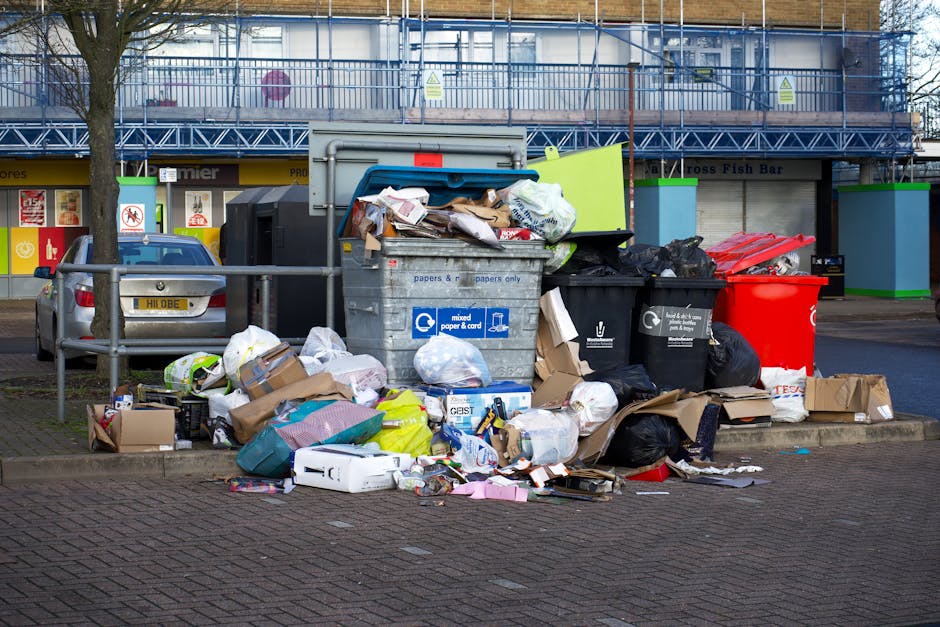
Most delays are not mysterious. They come from a small set of repeat mistakes. Here are the big ones.
- Underestimating volume: A room that looks "almost empty" can still hold a surprising amount once it is all bagged up.
- Forgetting about access: The van may be nearby, but that does not mean the waste is reachable without parking or key access.
- Not mentioning heavy or awkward items: Sofas, wardrobes, white goods, and rubble can slow a job down if not declared early.
- Booking the wrong day: A lot of missed collections are simply date mix-ups. Frustrating, but common.
- Leaving waste spread around the property: If it is scattered, the crew needs more time to gather it safely.
- Ignoring local restrictions: Hampstead roads can be more complicated than people expect, especially during peak hours.
- Assuming every service works the same way: A bulky item pickup, builders waste collection, and office clearance have very different planning needs.
One tiny but important note: if you are booking for a flat or maisonette, stair width and turning space matter more than many people realise. A sofa that clears the front door may still refuse to make the corner. It happens.
Tools, Resources and Recommendations
You do not need fancy software or specialist equipment to avoid most collection delays. You just need a sensible process.
Useful things to have ready
- A quick inventory of what needs removing
- Photos of the waste and access points
- The postcode and any parking notes
- Keyholder or concierge contact details if relevant
- Clear instructions for the front door, side entrance, or loading bay
Service pages that can help you choose
If you are still deciding which type of service fits best, the following pages can help you narrow things down: office clearance in Hampstead, house clearance, and the services overview. If you are comparing pricing and timing, the pricing and quotes page is also worth a look.
Trust and safety points worth checking
Make sure the company is transparent about how it handles lifting, loading, and disposal. A well-run team should be able to explain what happens to the waste, how the job is priced, and what may cause a delay. That confidence matters. Not because everything is perfect, but because the process should be clear.
You can also check the company's public information pages such as insurance and safety, recycling and sustainability, and about us if you want a better feel for how they work.
Law, Compliance, Standards, or Best Practice
Without turning this into a legal lecture, there are a few practical standards worth keeping in mind. Waste should be handled responsibly, the collection should be carried out safely, and the provider should be clear about what can and cannot be taken. In the UK, waste duty of care, safe lifting, and responsible disposal are all part of normal best practice, even when the customer never sees the back-end side of the job.
For residents and businesses, the most useful rule is simple: do not assume someone will "sort it out later." Clarify what is being removed, how it will be loaded, and what happens if the access situation changes on the day. If there are electronics, sharp materials, or heavy builders waste, ask how those items are handled. You do not need jargon; you just need plain answers.
On the customer side, it is also sensible to give accurate information and keep pathways safe. That helps the crew work efficiently and reduces the chance of injury or damage. It sounds basic because it is basic. Yet that is often what saves the day.
If you are comparing providers, it is fair to check that terms, privacy, payment, and accessibility information are clearly published. Pages such as terms and conditions, privacy policy, payment and security, accessibility statement, and modern slavery statement can also help you judge how seriously the business treats transparency and responsibility.
Options, Methods, or Comparison Table
Different rubbish problems call for different approaches. A little comparison can save a lot of wasted time.
| Option | Best for | Common delay risk | Practical note |
|---|---|---|---|
| Standard rubbish collection | General household waste, bags, light mixed items | Access issues or unclear volume | Best when the load is simple and easy to reach |
| Bulky item removal | Sofas, wardrobes, mattresses, appliances | Stairs, narrow halls, and parking delays | Needs accurate item details before booking |
| House clearance | Full rooms, flats, or whole properties | Underestimated labour or extra sorting | Good when the job is more than a single pickup |
| Builders waste disposal | Renovation debris, rubble, mixed trade waste | Incorrect load description or heavy material handling | Usually needs tighter planning and clearer access notes |
| Garden waste removal | Branches, soil, hedge cuttings, outdoor clear-outs | Volume spikes after pruning or landscaping | Useful when outdoor waste is bulky but light |
If you are unsure which route fits best, ask yourself one question: are you removing a few items, or clearing a space? That usually tells you whether you need a quick collection or something more structured.
Case Study or Real-World Example
Here is a realistic example, based on the sort of job that comes up all the time in Hampstead. A tenant is moving out of a first-floor flat and has three black bags, an old bookcase, a mattress, and a broken desk. They book a collection for late afternoon, but do not mention that the flat is up a tight staircase and the road outside has limited stopping space.
When the team arrives, the lift is out of service and the nearest legal parking space is a short walk away. The job is still doable, but it takes longer than planned. The mattress is awkward on the turn, the bookcase needs to be dismantled, and the team has to work carefully to avoid scuffing the stairwell. Nothing is "wrong" exactly, but the collection is delayed because the real conditions were not fully described.
Now compare that with a better-prepared version. The customer sends photos, explains the stair access, confirms the parking restrictions, and mentions the mattress and desk in advance. The team brings the right equipment and gives a more realistic arrival window. Same waste. Much smoother day. Less stress all round.
That is the pattern you see again and again. When the details are clear, the day feels surprisingly uneventful. Which, in rubbish collection, is a good thing.
Practical Checklist
Use this before your booking or collection day. It is short for a reason.
- Have I listed every item to be removed?
- Have I included photos of the waste and the access route?
- Have I mentioned stairs, gates, lifts, parking, and key access?
- Have I said whether there are bulky, heavy, or awkward items?
- Have I checked whether the load is household, garden, office, or builders waste?
- Have I confirmed the date, time window, and who will be present?
- Have I read the quote carefully for possible extras?
- Is the path to the waste clear and safe?
- Have I moved any cars or obstacles that might block access?
- Do I know what happens if the collection cannot be completed first time?
If you can tick most of those off, you are already ahead of the average booking. Seriously. It makes a difference.
Conclusion
Delays and common problems with Hampstead rubbish collection are usually not caused by bad luck. They are usually caused by missing information, difficult access, or choosing the wrong type of service for the job. That is the good news, because it means most problems can be prevented. A few photos, a clear item list, an honest note about access, and a sensible time window often solve more than people expect.
In Hampstead, where properties and streets vary so much, the smartest approach is to be specific early and practical on the day. If you do that, collection tends to become a straightforward task rather than a drawn-out headache. And that is really what most people want: less waiting, less faff, and a cleaner space by the end of the day.
If you are comparing options or trying to avoid a repeat delay, take a moment to review the service details, timing, and any access notes before you book. It is a small pause now, but it usually saves a much bigger one later.
Get a free quote today and see how much you can save.

Copyright © . House Clearance Hampstead. All Rights Reserved.