Hampstead Heath bulky rubbish collection and disposal
Posted on 02/06/2026
Hampstead Heath Bulky Rubbish Collection and Disposal: A Practical Local Guide
If you have an old sofa blocking the hallway, a broken wardrobe in the spare room, or a pile of garden cuttings that suddenly feels bigger than the shed, you are not alone. Hampstead Heath bulky rubbish collection and disposal is one of those jobs that looks simple until you start moving things downstairs, trying to sort what can be reused, and wondering where on earth it should all go. The good news? With a sensible plan, bulky waste can be removed quickly, safely, and without turning your week into a small domestic disaster.
This guide explains how bulky rubbish collection works in practice, what to expect, who it helps, and how to avoid the usual mistakes. You will also find a comparison of disposal options, a checklist, and a few local insights that make the whole thing easier to manage. To be fair, this is the kind of task that feels much bigger at 7 a.m. than it does once it is properly organised.
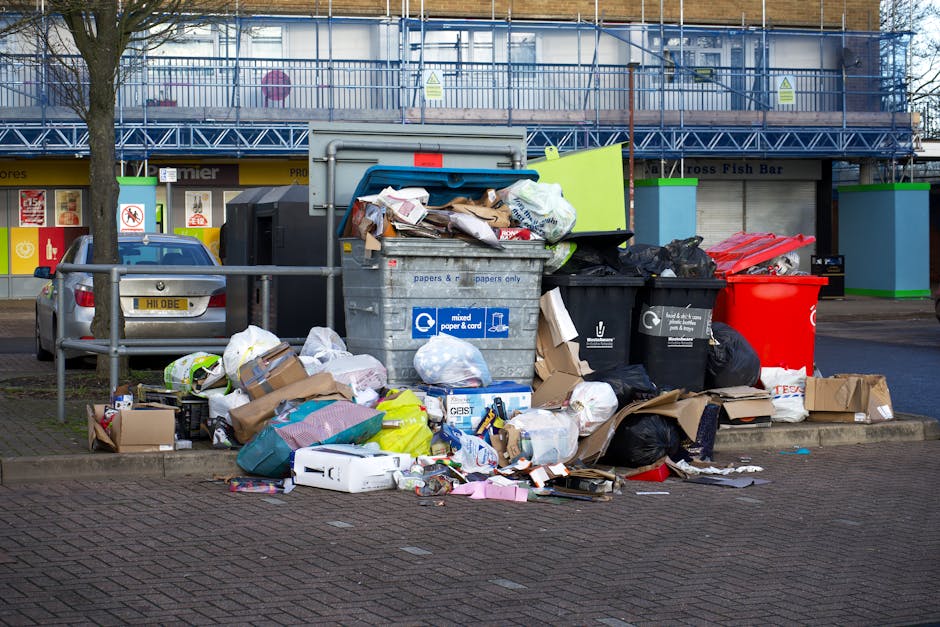
Why Hampstead Heath bulky rubbish collection and disposal Matters
Bulky waste is not just "more rubbish". It is the sort of item that takes up space, gets in the way, and often needs careful handling. Think mattresses, tables, cabinets, broken exercise equipment, old carpets, office furniture, or mixed junk from a clear-out. Left too long, these items can make a property feel cramped and disorganised, and sometimes they create genuine safety issues too.
In an area like Hampstead Heath, space is precious. Homes can have narrow staircases, shared entrances, garden paths, and limited parking. That means bulky rubbish collection and disposal is often about more than simple removal; it is about access, timing, sorting, lifting, and making sure nothing gets damaged on the way out. A rushed job can scratch walls, block communal areas, or leave recyclable material mixed in with general waste.
There is also the practical side. Bulky items left outside can attract attention, create clutter, or become awkward for neighbours and passers-by. Nobody wants a sofa sitting near the kerb for two days in the rain. It looks untidy, smells damp, and usually becomes everyone's problem. A proper collection approach keeps things tidy and reduces hassle.
Expert summary: The best bulky rubbish solution is rarely the one that looks quickest at first glance. It is the one that balances access, item type, recycling potential, safety, and disposal method without creating extra work later.
If you are also dealing with a broader clear-out, it may be worth looking at house clearance in Hampstead or broader waste removal in Hampstead depending on how much needs shifting. The right service depends on the mix of items, not just the total pile.
How Hampstead Heath bulky rubbish collection and disposal Works
In simple terms, bulky rubbish collection usually follows four stages: assess, sort, remove, and dispose. That sounds obvious, but the details matter. A good provider will not just grab everything and leave. They should look at what you have, consider access, identify items that can be recycled or reused, and then remove them in a way that is safe and efficient.
1. Assessment of the items
First, the load needs to be understood. A single wardrobe is very different from a full flat clear-out. Sofas, white goods, wood furniture, electrical items, and mixed household junk may all need different handling. A decent assessment also considers whether the waste is dry, wet, sharp, heavy, or awkwardly shaped. Honestly, a wobbly wardrobe on a top-floor landing can be more difficult than a much bigger pile on the ground floor.
2. Access and lifting plan
Next comes the practical bit: how will it get out? In Hampstead Heath, access can be the main challenge. Parking restrictions, tight staircases, basement flats, and shared hallways all change the plan. A proper approach makes sure the route is clear before anything is moved. It is one of those things that seems boring until you trip over a chair leg in a narrow corridor. Then it suddenly matters a lot.
3. Segregation for recycling or disposal
Bulky rubbish is not always "rubbish" in the usual sense. Timber, metal, textiles, cardboard packaging, and some electrical items may be separable and sent to different facilities or treatment streams. That is where waste removal becomes more responsible than simple dumping. If you care about waste being handled properly, the recycling and sustainability approach is worth understanding because the end destination matters almost as much as the pickup itself.
4. Transport and final disposal
Once the items are loaded, they are taken away for recycling, transfer, or disposal depending on what they are. A responsible service should keep paperwork and processes in order, especially if items may be classed as controlled waste. You do not need to become a waste expert overnight, but you do want confidence that your items are going somewhere legitimate.
For smaller loads, a targeted rubbish collection in Hampstead may be enough. For bigger jobs, especially where more than one room is involved, a broader service usually makes more sense.
Key Benefits and Practical Advantages
People usually book bulky rubbish collection for one obvious reason: they want the stuff gone. Fair enough. But the real benefits often go further than that.
- Frees up space quickly: Rooms feel bigger once large items are removed, and you can actually move around again.
- Reduces physical strain: Moving heavy furniture without the right technique is how backs get grumpy.
- Improves safety: Fewer trip hazards, fewer awkward edges, and less clutter in tight access areas.
- Saves time: A planned collection is usually far quicker than trying to deal with it in bits and pieces.
- Supports better recycling: Separating items properly can improve the chance of reuse or material recovery.
- Makes moves and refurbishments smoother: Less clutter means better staging for redecorating, sale photos, or handover.
There is also a psychological benefit, and people rarely mention it. A clear room feels calmer. You walk in, look around, and your shoulders drop a little. That can be enough reason on its own, especially after a long week of living around stacked boxes and half-finished plans.
For landlords, sellers, and anyone preparing a property for market, bulky waste removal often fits neatly into a wider plan. If that sounds familiar, selling properties in Hampstead and property buying dos and don'ts can be useful related reading for understanding how presentation and timing affect the next step.
Who This Is For and When It Makes Sense
Bulky rubbish collection is not only for people facing a full house clear-out. In fact, many requests come from everyday situations that just need a practical solution.
Typical situations include:
- Moving out and disposing of furniture that will not fit in the new place
- Replacing old bedroom, living room, or dining room items
- Clearing a loft, cellar, or storage room
- Handling estate contents after a bereavement
- Preparing a rental property between tenancies
- Removing office desks, chairs, and filing cabinets
- Clearing garden waste, broken outdoor furniture, or shed contents
- Dealing with leftovers after renovation or DIY work
It also makes sense when the item is too large, too heavy, or too awkward to handle through normal household waste channels. A cracked wardrobe might technically be "just wood", but if it needs dismantling first and you do not have the tools, time, or patience, the job stops being simple. Truth be told, most people reach for help once they realise the object in question was built by someone with far more confidence than the average homeowner.
For business users, the needs can be different. Office furniture, archive shelving, and mixed equipment may need careful removal to avoid disruption. If that is your situation, see office clearance in Hampstead for a more focused option.
And if the pile includes branches, turf, cuttings, or old planters, a dedicated garden waste removal service in Hampstead may be the better fit. That saves you from paying for a generic solution when the waste is mostly green material.
Step-by-Step Guidance
If you want the smoothest possible bulky waste collection, it helps to think like a site planner for ten minutes. Not glamorous, but very effective.
- List everything that needs removing. Write it down room by room. Include the items under the stairs, in the shed, and in that mysterious corner you keep pretending not to see.
- Separate the waste types. Keep furniture, electricals, garden waste, and builders' rubble apart if possible. Mixed loads are harder to handle and sometimes cost more to process.
- Check access routes. Note stairs, lifts, door widths, narrow paths, parking access, and any fragile surfaces that need protecting.
- Decide what can be reused or donated. Not every old item is waste. A solid chair or usable cabinet may still have life left in it.
- Measure larger items. A tape measure saves arguments. That sofa might look slim until it meets a stairwell.
- Get a clear quote. Make sure the quote reflects the actual load and the access conditions. If you hide the hard part, the hard part will still be there on collection day.
- Prepare the area. Move small objects out of the way, clear door thresholds, and protect floors if needed.
- Confirm what happens after collection. Ask how items are sorted and where they are taken. Responsible disposal should not be a mystery.
That sequence sounds basic, but it prevents a lot of awkward surprises. The collection itself often takes much less time than the prep. And once the right prep is done, the whole thing feels almost oddly easy.
Expert Tips for Better Results
The best bulky rubbish jobs are usually won before the van arrives. Here are the little things that make a proper difference.
- Take photos before booking: A few clear pictures help with accurate quoting and stop misunderstandings later.
- Group items by room or type: This speeds up loading and helps with recycling.
- Keep hazardous items separate: Paints, solvents, gas cylinders, and similar materials need special handling and should never be casually mixed in.
- Think in terms of access, not just volume: A small load on a top floor can be harder than a larger load at ground level.
- Use removal alongside decluttering: If you are already sorting the room, this is the perfect time to make decisions properly. No point moving clutter from one corner to another.
- Choose timing carefully: If parking is easier early in the morning or the building is quieter then, the job tends to go more smoothly.
One small but useful habit: make a "maybe" pile and revisit it before the collection day. It is amazing how many things suddenly become unnecessary after a night of thinking. That old lamp you were not sure about? Usually it is still not worth keeping.
If you want to understand the wider service landscape before deciding, the services overview gives a clearer picture of how different clearance and removal jobs fit together.

Common Mistakes to Avoid
Most problems with bulky rubbish collection are avoidable. The tricky part is that people only discover them when the item is already half-way downstairs.
- Underestimating the load: One "small clear-out" can become three van loads if the loft suddenly joins the party.
- Mixing waste types together: This slows everything down and can make disposal less efficient.
- Ignoring access restrictions: Parking issues, stairs, and door widths should be checked before collection day.
- Leaving booking too late: If you are moving house or finishing renovation work, last-minute arrangements can become stressful fast.
- Not asking what is included: Some services may cover lifting and loading; others may not. Know what you are paying for.
- Disposing of restricted items casually: Certain materials need extra care. Guessing is not a strategy.
Another common one: assuming every bulky item should simply be thrown away. Not always. Reuse, repair, or separate recycling can be the more sensible route. It is better for the environment, and often easier on the pocket too.
Tools, Resources and Recommendations
You do not need a van full of equipment to get this done, but a few basic tools help enormously.
| Tool or resource | Why it helps | Best use case |
|---|---|---|
| Tape measure | Checks whether large items will fit through doors and stairs | Furniture, wardrobes, mattresses |
| Strong gloves | Helps with grip and reduces minor hand injuries | Sharp edges, splinters, rough timber |
| Furniture sliders or blankets | Makes movement easier and protects floors | Heavy items on wooden floors or tiles |
| Labels or marker pens | Keeps recyclable, reusable, and general waste separated | Mixed clear-outs |
| Phone camera | Useful for documenting items and sharing accurate images for a quote | Remote estimates and planning |
For people who want a safe, properly organised service, it is worth reviewing insurance and safety information. That is especially important where items are heavy, access is difficult, or there is a risk of damage in shared spaces.
If you are choosing between providers, pricing clarity matters too. A well-explained pricing and quotes page should make it easier to compare like with like, rather than guess based on vague promises. And yes, vague promises are everywhere in this industry. A bit too everywhere, sometimes.
Law, Compliance, Standards, or Best Practice
For bulky rubbish collection and disposal, the most important rule is straightforward: waste should be handled responsibly and passed to legitimate disposal or recycling routes. In the UK, waste duty of care expectations mean that waste must not be fly-tipped, abandoned, or passed to anyone operating outside proper standards. You do not need to memorise legislation, but you should expect the service handling your rubbish to act carefully and professionally.
That usually means:
- keeping waste streams separated where practical
- avoiding unsafe loading or handling practices
- using appropriate disposal and recycling channels
- being honest about restricted items or special handling needs
- providing clear terms, pricing, and service conditions
Best practice also includes being transparent about what happens after collection. If a provider can explain their process in plain English, that is a good sign. If everything sounds mysterious, that is not ideal. You want a service that feels straightforward, not one that sounds like it is making things up on the spot.
For readers who value ethical operations as well as practical service, about us and the company's modern slavery statement can offer useful reassurance about standards and accountability.
Options, Methods, or Comparison Table
There is no single "best" way to deal with bulky waste. It depends on how much you have, what it is made of, and how quickly you need it gone. Here is a simple comparison to help you think it through.
| Option | Best for | Pros | Watch out for |
|---|---|---|---|
| Single-item collection | One sofa, mattress, or appliance | Quick, simple, focused | Can become inefficient for mixed loads |
| Bulk rubbish pickup | Several large items from one property | Convenient, saves multiple trips | Requires better sorting and access planning |
| House clearance | Whole rooms, flats, or estates | Most thorough, handles volume well | May be more than you need for a small job |
| Office clearance | Desks, chairs, cabinets, archive items | Good for businesses, minimal disruption | Needs scheduling and sometimes building coordination |
| Garden waste removal | Branches, soil, hedge cuttings, outdoor debris | Suited to green waste | Not ideal for mixed household rubbish |
If your job is mostly domestic furniture and household items, start with waste removal in Hampstead. If it is a full property clear-out, a dedicated house clearance service is usually the better route. Simple as that, really.
Case Study or Real-World Example
Imagine a two-bedroom flat near Hampstead Heath where the occupants are preparing to move. One room has an old double bed, a broken chest of drawers, two office chairs, a dismantled desk, and a stack of boxes from the loft. In the kitchen there is an unwanted small table and an old microwave. Outside, there are also bags of garden clippings from a weekend tidy-up. Nothing dramatic, but enough to get in the way of packing.
At first glance, the residents think they need "just a bit of rubbish taken away". Once they list everything properly, the picture changes. The furniture is bulky, the garden waste is separate, and access is awkward because the stairwell is tight and parking is restricted during the day. They take photos, measure the bigger items, and group waste by type.
The result is a smoother collection. The load is removed in one go, the reusable metal and timber are separated where possible, and the flat is left ready for cleaning and staging. More importantly, nobody has to spend the evening wrestling a desk through a doorway at a funny angle. A small victory, but a real one.
This kind of practical planning also helps if your move links to nearby life changes. Maybe you are settling into a new home after checking out local insights on Hampstead living, or maybe you are trying to get a sale-ready look after reading about Hampstead's village character and history. Either way, a clean space gives you a much better starting point.
Practical Checklist
Use this before booking your collection. It keeps things calm and stops last-minute scrambling.
- Make a full list of the items to be removed
- Separate furniture, electricals, garden waste, and general rubbish
- Measure large items and check doorways, stairs, and lifts
- Take photos of the items and the access route
- Confirm whether lifting, loading, and sorting are included
- Identify any restricted or hazardous items
- Clear hallways and protect floors where needed
- Check parking or access arrangements for collection day
- Ask how reusable or recyclable material is handled
- Keep your quote, terms, and service details in one place
Quick practical note: if you can do the sorting before collection day, the whole experience becomes much less stressful. You will feel it straight away.
Get a free quote today and see how much you can save.
Conclusion
Hampstead Heath bulky rubbish collection and disposal is really about making a complicated job feel simple again. Whether you are clearing one awkward item or dealing with a full set of unwanted furniture, the best results come from clear sorting, sensible access planning, and choosing the right disposal route for the waste you actually have.
There is no need to overcomplicate it. Start with what needs to go, separate what can be reused or recycled, and make sure the collection method suits the space. That bit of preparation pays off every time. Less lifting, less mess, less stress. Not bad for an hour or two of planning.
If you want a broader look at the services around this kind of work, the services overview is a useful place to understand your options before you decide. And if the job includes a mixture of property contents, furniture, or business items, the right service can save you far more time than it costs. Sometimes the simple choice is the smartest one.
In a place like Hampstead Heath, where homes and access can be beautifully characterful but not always forgiving, a tidy clear-out brings a welcome sense of breathing room. That feeling is worth a lot.

Copyright © . House Clearance Hampstead. All Rights Reserved.