Belsize Park skip free rubbish removal tips for NW3
Posted on 18/06/2026
If you live in Belsize Park or anywhere across NW3, you already know the awkward bit about clearing rubbish: it never seems to be one neat pile at the right time. It's a broken wardrobe on a Tuesday, garden cuttings after a rainy weekend, a flat full of boxes after a move, or builders' waste that appeared faster than the tea went cold. The good news? There are sensible Belsize Park skip free rubbish removal tips for NW3 that can save space outside your home, reduce hassle, and keep the job moving without the drama of a skip sitting on the street for days.
This guide is for anyone who wants a cleaner, quicker, more manageable way to clear waste in a busy London neighbourhood. We'll look at how skip-free rubbish removal works, where it helps most, what to avoid, and how to choose the right approach for your home, flat, office, or garden. To be fair, the trick is rarely about doing more. It's about doing it in a better order.
For wider service context, it can also help to understand the broader options in our services overview and the practical differences between collection methods before you commit to anything.
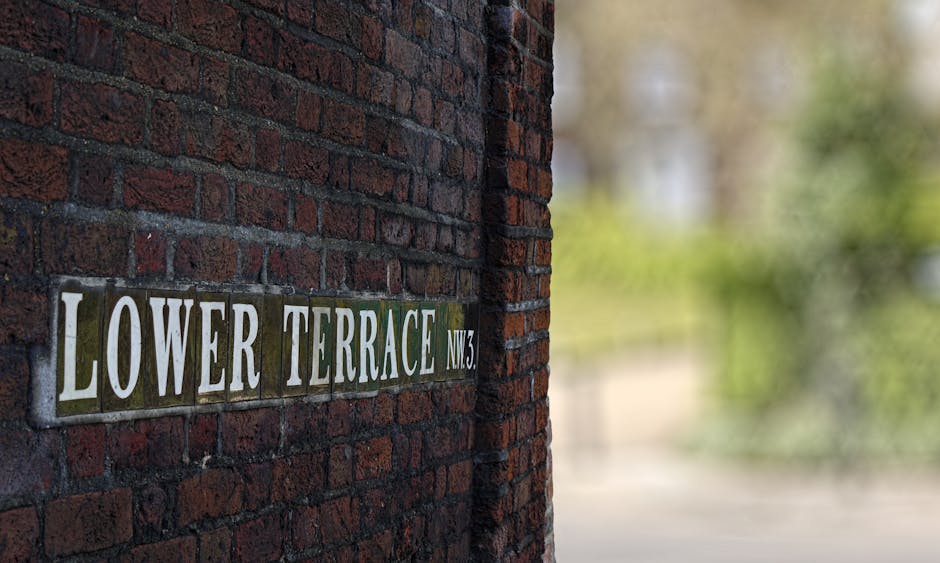
Why Belsize Park skip free rubbish removal tips for NW3 Matters
Belsize Park has a certain rhythm to it: narrow roads, busy pavements, plenty of flats, and not always much room to spare. That's exactly why skip-free rubbish removal matters here. In a place where access can be tight and parking is precious, a skip is not always the cleanest or easiest answer. Sometimes it is the right answer. Often, it isn't.
Skip-free methods are about keeping waste moving through the property and straight out again, rather than leaving a container outside while you slowly sort through life's leftovers. That can be especially useful in NW3 when you are trying to avoid blocked driveways, street clutter, neighbour complaints, or the simple irritation of losing space for a week. And let's face it, in London that space matters.
There is also a practical timing issue. If you are clearing after a tenancy change, post-renovation, a downsizing move, or a garden tidy-up, you may not have a full day to spare. Skip-free rubbish removal usually means a faster turnaround and less disruption around the property. It is the kind of approach that suits people who want the job done, not just scheduled.
Expert summary: In dense areas like Belsize Park, the best rubbish removal plan is usually the one that reduces on-street disruption, protects access, and matches the size of the load to the method used. Small, smart, well-planned collections almost always beat a "just throw a skip at it" approach.
If your project involves building debris, it is worth looking at the specific demands of heavier waste too. Our builders' waste disposal guidance is useful when the pile includes plasterboard, timber offcuts, or mixed renovation waste.
How Belsize Park skip free rubbish removal tips for NW3 Works
Skip-free rubbish removal is straightforward once you break it down. Instead of hiring a skip and filling it yourself over several days, waste is separated, packed, and removed directly from the property or kerbside in a controlled collection. The goal is to reduce storage time, reduce clutter, and keep the process practical for London streets.
In plain English, the system works like this:
- You sort your rubbish into practical categories.
- You decide what can be reused, recycled, donated, or disposed of.
- You make the load accessible for collection.
- The waste is removed quickly, often in a single visit or short sequence of visits.
- Items are then routed toward the right disposal or recycling stream where possible.
That is the idea, anyway. The real-world version can be a little messier. A flat clear-out might include furniture, electricals, bags of general rubbish, and a few things you forgot were under the bed. A garden job might look simple until you discover compacted soil, wet branches, and a rusty old plant trough you should have thrown out three years ago. Happens all the time.
For local residents who want to understand service expectations more broadly, it helps to browse the practical information in waste removal in Hampstead and compare how direct collection differs from other approaches. If you are dealing with a home or rental property that needs more than a simple tidy-up, house clearance support is often the more efficient route.
Key Benefits and Practical Advantages
The main benefit is simple: skip-free removal gives you control without the inconvenience of a skip taking over your frontage. But there are several smaller advantages that people only notice once they try it.
- Less disruption: No large skip blocking the street or the front of the building.
- Better for smaller loads: Ideal when you do not have enough waste to justify a skip.
- Faster turnaround: Useful when you want the room cleared the same day or next day.
- Cleaner presentation: Helpful in Belsize Park where appearance and access matter.
- More flexible: Works well for mixed items, not just one type of waste.
- Potentially easier on neighbours: Less noise, less obstruction, less time spent waiting around.
Another practical advantage is decision fatigue reduction. That sounds odd, but anyone who has ever stared at a room full of "keep, maybe, donate, bin" piles knows exactly what I mean. A skip can make people postpone sorting because there is no immediate deadline. A skip-free plan tends to create a cleaner decision point. You sort, load, remove. Done.
And because waste is handled in a more direct way, there is often a clearer path to separating recyclable items or diverting reusable goods. If sustainability matters to you, that is a real plus. You can learn more about the wider approach in our recycling and sustainability information.
Who This Is For and When It Makes Sense
Skip-free rubbish removal is not for every scenario, and that is fine. It makes the most sense for people who need a practical, low-fuss solution for manageable volumes of waste.
You are probably a good fit if you are:
- clearing a flat after a move-out or tenancy end
- tidying up a loft, cellar, spare room, or storage cupboard
- removing old furniture or bulky household items
- handling light renovation waste after a small project
- dealing with garden cuttings, branches, or soil bags
- clearing an office, study, or small work area
- trying to avoid street clutter in a busy residential road
It also makes sense if access is awkward. In Belsize Park, that can mean top-floor flats, shared entrances, narrow hallways, controlled parking, or a property where loading space is limited. You know the type of day: the van is there, the lift is tiny, and someone has left a bike in the hallway. Brilliant.
For offices or mixed-use properties, a more structured removal can help immensely. Our office clearance page covers the kind of situation where desks, chairs, paper waste, and outdated equipment need clearing with minimal downtime.
Step-by-Step Guidance
If you want skip-free rubbish removal to go smoothly in NW3, the key is to treat it like a small project rather than a last-minute panic. Here is the practical way to do it.
1. Walk through the space properly
Start with one room, one corner, or one outdoor area. Do not bounce around the property. That is how people end up re-sorting the same box three times. Make a quick list of what is going out: furniture, bags, broken items, packaging, garden waste, and anything bulky.
2. Split items into simple groups
Use four loose categories: keep, donate/reuse, recycle, and remove. Keep the system simple. If you turn it into a logic puzzle, you will lose momentum halfway through and go make a cup of tea instead. Tempting, yes. Efficient, not so much.
3. Break down bulky items where safe
Flat-pack frames, unscrewed furniture, and folded cardboard take up far less room than assembled items. Only dismantle what is safe and manageable. If something looks sharp, heavy, or structurally awkward, leave it for the collection team rather than wrestling with it yourself.
4. Keep recyclable items separate
Cardboard, metal, some plastics, and certain electricals may be easier to route separately. This saves time later and supports better disposal outcomes. The more you mix items together, the harder the sorting becomes at the back end. A bit of upfront effort usually pays for itself.
5. Clear access before collection day
Make sure hallways, stairwells, driveways, and loading points are as clear as possible. If the team has to navigate around extra furniture, bikes, bins, or low-hanging boxes, the job slows down. In London, access is half the battle.
6. Photograph awkward items if needed
If you have a few unusually large or heavy items, it can help to photograph them before the collection. That makes planning easier and reduces the chance of surprises. Small detail, big difference.
7. Choose the right service for the waste type
General household rubbish, builders' waste, garden waste, and office waste each have slightly different handling needs. If the waste is mixed, say so early. Honest descriptions save everyone time.
8. Check what should stay out of the load
Some items need special handling, such as hazardous materials or anything with unusual disposal requirements. If you are not sure, ask before the day. It is much better to pause and clarify than to bundle something in and hope for the best.
For garden-focused jobs, the dedicated garden waste removal page is useful when your pile includes branches, clippings, and outdoor debris rather than general household clutter.
Expert Tips for Better Results
Here are the little things that tend to make the biggest difference. These are not flashy tips. They are the ones that stop a job becoming irritating.
- Start with the hardest item first. Once the awkward sofa or old wardrobe is dealt with, the rest feels lighter.
- Use boxes or reusable bags for loose rubbish. Bags are easier to carry, stack, and count.
- Label anything you want to keep. A simple marker pen saves misunderstandings later.
- Schedule around the property's quiet hours if possible. Early morning or mid-morning can work better than late afternoon in busy streets.
- Do not overfill rooms before collection. Leave a path. It reduces slips, trips, and that mildly chaotic feeling when you can't open a door fully.
- Be realistic about weight. A bag that feels light on the floor can feel very different by the third staircase.
Another tip: if you are preparing a property for sale or letting, try to clear in phases. One pass for obvious rubbish, another for bulky items, then a final tidy. That approach works especially well if you are also juggling viewings or a completion deadline. If that sounds like your life right now, these property-selling insights for Hampstead may be helpful context.
And yes, keep a bin liner or two more than you think you need. You will always need one more. Always.
Common Mistakes to Avoid
A lot of rubbish removal problems are not caused by the waste itself. They are caused by poor planning. The fixes are simple once you know what to look for.
- Waiting until the last minute: This leads to rushed sorting and higher stress.
- Guessing the volume: "It's not much" often turns into two extra van loads.
- Mixing recyclable and non-recyclable waste without thinking: It slows everything down.
- Leaving access issues until collection day: This is a classic one, and annoying for everyone involved.
- Forgetting about awkward items: Mattresses, broken glass, dismantled frames, and old appliances need a plan.
- Assuming all waste can be handled the same way: It cannot. Different materials have different handling needs.
The sneaky mistake is emotional, not technical. People sometimes keep circling around one or two items because they feel guilty throwing them away. A chair with one wobbly leg, a box of cables you may never use, the lamp you meant to fix in 2019. You do not need to overthink every single thing. Some items have simply reached the end of the road.
If your load includes heavier rubble or renovation debris, it may be worth reading up on the specific challenges in bulky rubbish collection and disposal to avoid unpleasant surprises on collection day.
Tools, Resources and Recommendations
You do not need a fancy toolkit for skip-free rubbish removal, but a few simple items can make the process smoother.
| Tool or resource | Why it helps | Best use |
|---|---|---|
| Heavy-duty bags | Helps group loose waste safely | General household rubbish, small mixed items |
| Marker labels | Prevents accidental disposal of keep items | Moves, clear-outs, shared properties |
| Box cutter or screwdriver set | Useful for dismantling flat-pack items | Furniture breakdown before collection |
| Gloves | Protects hands from splinters and dirt | Loft, garden, and garage sorting |
| Dust sheet or tarp | Keeps floors cleaner while you sort | Indoor clearances and stairwell protection |
| Camera phone | Helps document awkward or heavy items | Planning and quote clarity |
My honest recommendation? Keep the process simple and visible. Lay things out, group them neatly, and don't hide the "problem item" behind six bags of cardboard. That only delays the inevitable. If you want an overview of the practical and service-side options, the pricing and quotes information can help you think through the likely structure of a job before you book anything.
For anyone who values reassurance around handling and operations, the page on insurance and safety is also worth a look. It is one of those boring-but-important things people often skip, then regret later. Boring, yes. Useful? Very.
Law, Compliance, Standards, or Best Practice
With rubbish removal, compliance matters even when the job feels small. In UK practice, waste should be handled responsibly and taken to appropriate facilities by a suitable operator. You do not need to become a legal expert to make a sensible decision, but you should be careful about who touches your waste and where it ends up.
Best practice is simple:
- use a provider that explains what will happen to your waste
- avoid leaving waste on the street for longer than necessary
- keep hazardous or unusual items separate until they have been reviewed
- check that paperwork or terms are clear before collection
- do not assume all waste is acceptable in a general mixed load
If you are clearing a rental, office, or property managed under specific obligations, it is worth keeping records of what was removed. A basic list or photos can be enough. Nothing dramatic. Just enough to keep matters tidy if questions come up later.
You can also review the site's terms and conditions and privacy policy if you want a clearer understanding of how information and service terms are handled. Those pages are not thrilling reading, granted, but they do help build trust.
And if you are comparing providers, look for clarity rather than big promises. In waste removal, vague is rarely good.
Options, Methods, or Comparison Table
People often ask whether skip-free rubbish removal is actually better than hiring a skip. The answer depends on the job, but for many NW3 properties the practical answer is yes, or at least yes enough to make it the smarter option.
| Method | Best for | Pros | Trade-offs |
|---|---|---|---|
| Skip-free collection | Small to medium loads, flats, quick clearances | Less disruption, faster, more flexible | May need more sorting upfront |
| Skip hire | Larger, ongoing renovation waste | Good for long projects, high volume | Needs space, permits may be an issue, can block access |
| Manual self-haul | Very small loads, one-off items | Cheap if you already have transport | Time-consuming, physically demanding, awkward in London traffic |
For many Belsize Park homes, the real decision is not "skip or no skip?" It is "what is the least disruptive way to remove this without creating another problem?" That is the better question. Once you ask it, the answer usually becomes obvious.
If the job is more complex than a standard clearance, the broader rubbish collection service explanation can help you judge whether a one-off collection or a fuller clearance fits your needs.
Case Study or Real-World Example
A typical NW3 example goes like this. A couple in Belsize Park had just finished a long-overdue flat clear-out before a refurbishment. Nothing extreme, but enough to be annoying: a wardrobe, a bed frame, several bags of mixed household waste, old kitchen bits, and a stack of cardboard from flat-pack deliveries. They had considered a skip, mostly because that is what people default to. But the street was tight, parking was already difficult, and leaving a skip outside would have caused more hassle than it solved.
Instead, they sorted the waste into rough categories over the course of an evening, dismantled the furniture where it made sense, and kept access clear by the front door. The collection itself was quicker than they expected because the heavy lifting was already done. The odd thing was how much calmer the whole process felt. Less standing around. Less clatter. Less eyeing up a big metal box sitting outside and thinking, "Well, that's not ideal."
They also separated a few items for reuse and recycling, which reduced the actual disposal load. Not everything needs a dramatic exit, after all.
That kind of result is very common. Not glamorous, but effective. And for a lot of people, effective is exactly what they need.
Practical Checklist
Use this checklist before collection day. It keeps the job simple and stops last-minute chaos.
- Have I walked through every room or area that needs clearing?
- Have I separated keep, donate, recycle, and remove items?
- Are bulky items dismantled only where safe to do so?
- Have I kept access paths clear for carrying waste out?
- Do I know which items need special attention or cannot go in a mixed load?
- Are bags sealed and labelled clearly?
- Have I checked for anything hidden in cupboards, lofts, or under furniture?
- Do I know the collection time and the best loading point?
- Have I set aside keys, parking details, or access instructions if needed?
- Am I clear on the terms, pricing, and what happens next?
One extra tip: do a final five-minute sweep of the property just before the team arrives. You would be amazed how often people find one last chair, one last lamp, or one last box of cables. Human nature, really.
Conclusion
The best Belsize Park skip free rubbish removal tips for NW3 are not complicated. Sort early, keep access clear, match the removal method to the waste, and avoid making the job bigger than it needs to be. In a neighbourhood where space is limited and convenience matters, skip-free collection often feels like the more elegant solution. Not perfect for every case, but very often the right one.
The key is to stay practical. If your load is manageable, your access is tight, or you simply want the place cleared without a skip taking over the street, a well-planned skip-free approach can save time and reduce stress. A tidy property, a cleaner pavement, and a job that does not drag on for days. Honestly, that is a decent outcome.
Get a free quote today and see how much you can save.
When you are ready, use the guidance above to plan the job with confidence. A little structure goes a long way, and in a place like Belsize Park, that extra calm can make all the difference.


Copyright © . House Clearance Hampstead. All Rights Reserved.